

Legacy systems have their place in history, but in a world shaped by AI, real-time data, and rapid innovation, they’ve quietly become the weakest link. They slow things down, chew through budgets, and make it harder for your business to keep up—let alone get ahead.
Meanwhile, your competitors are modernizing. They’re building intelligent, scalable environments in the cloud and launching new capabilities faster than ever. The gap isn’t just technical—it’s strategic.
The question isn’t whether to modernize. It’s whether you want your data center to hold you back—or propel you forward.
If it were easy, everyone would’ve done it already. But legacy systems are often deeply embedded in your day-to-day operations. They’re reliable, yes—but also rigid, hard to scale, and expensive to maintain.
Your IT team? Likely already overloaded, reacting more than innovating. Add aging infrastructure, security limitations, and rising expectations—and modernization starts to feel like climbing Everest.
But here’s the thing: modernization doesn’t mean throwing everything out. It means making smart, strategic upgrades—starting with your data center.
The journey begins by moving to a managed Azure cloud. No DIY chaos, no spaghetti servers—just a scalable, secure, and expertly managed environment that adapts with your business.
This shift lets you leave behind on-prem headaches—like hardware failures and maintenance backlogs—and gain global performance, built-in disaster recovery, and enterprise-grade security.
Even better? It frees up your team to focus on driving innovation, not maintaining hardware.
Modern infrastructure is your new normal. But the real power comes when you combine it with smart data.
Now that you’re in the cloud, it’s time to rethink your data—not just where it lives, but how it’s structured, accessed, and used.
Data modernization goes beyond migration. It’s about optimizing databases, modernizing integrations, and enabling real-time insights so data can actually support decision-making, not just sit in storage.
The result? Faster reporting, more accurate forecasting, and a smoother path to automation, AI, and innovation.
Of course, all this cloud magic comes with one caveat: cloud costs. That’s where it pays to be proactive.
Let’s talk budgets. Cloud is powerful—but if you don’t manage it right, costs can creep up fast.
That’s why Azure FinOps is non-negotiable. It helps you monitor, optimize, and align cloud spending with business priorities. No more guessing, no more surprise invoices.
It’s not just a finance tool—it’s a way for IT and finance to speak the same language, make better decisions, and ensure you’re getting full value from your Azure environment.
Cloud efficiency? It’s not a luxury. It’s a competitive advantage.
If your business handles large simulations, AI model training, advanced analytics, or risk modeling, traditional infrastructure might not cut it.
That’s where high-performance computing (HPC) steps in. With Azure’s HPC capabilities, you get serious compute power on demand—no servers, no delays, no upfront CapEx.
Whether you’re in engineering, healthcare, finance, or research, HPC allows you to do more, faster—with agility and cost control baked in.
While your data center evolves, don’t forget your business applications. ERP and CRM systems are often the backbone of your operations—and they deserve an upgrade too.
With Managed Dynamics, you can bring these applications into the modern cloud ecosystem. That means smoother integrations, better user experiences, real-time data flow, and fewer interruptions.
No more costly upgrades or unexpected downtime. Just modern business systems, fully aligned with your new infrastructure.
Here’s where most cloud journeys stop. But at Intwo, we see this as the beginning.
Post-modernization, we work with you to build a roadmap—not just for optimization, but for new value creation. We help you modernize applications, leverage AI, automate intelligently, and explore new digital services that drive real business results.
With a strong foundation in place, it becomes easier (and faster) to innovate—safely, strategically, and at your pace.
This isn’t just “cloud adoption.” This is building a future-proof digital core.
At Intwo, we bring together the strategy, technology, and experience to guide you from legacy to leading-edge—without disrupting your business.
We offer:
We don’t just get you to the cloud. We help you thrive in it.
Your legacy systems have served their time. Now it’s time to move forward—with clarity, control, and confidence.
Talk to us today about how we can help you modernize your data center, unlock new value, and build a smarter future in the cloud.
Take the first step toward a more agile, intelligent, and future-ready environment!
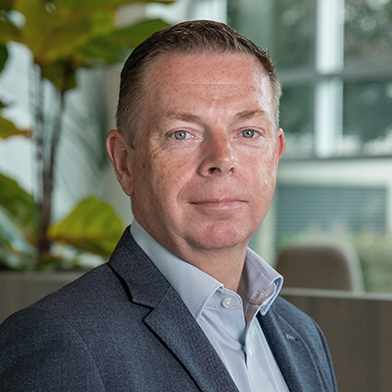
Rene Verschoor, EVP at Intwo, excels in driving IT strategy through innovative datacenter solutions. His expertise in bridging digitization with infrastructure transforms challenges into clear, actionable outcomes. Passionate about building teams and businesses, Rene’s service-driven approach empowers success.
Data center modernization is the process of upgrading your existing IT infrastructure from outdated, on premises systems to a modern, cloud based environment. It matters because legacy systems, while familiar, are rigid, expensive to maintain, and struggle to keep up with the demands of AI, real time data, and rapid innovation. Modernizing your data center gives your business the agility and scalability it needs to stay competitive. It is not about throwing everything out. It is about making smart, strategic upgrades that set you up for the future.
Legacy systems create several issues that compound over time. They are slow to adapt to new requirements, costly to maintain, and often lack the security features needed to handle modern threats. They also limit your ability to scale, which means your business cannot respond quickly to growth or market changes. On top of that, your IT team ends up spending most of its time keeping old systems running instead of working on innovation. The longer you wait to modernize, the wider the gap between you and competitors who have already made the shift.
The first step is moving to a managed cloud environment like Microsoft Azure. This gives you a scalable, secure foundation without the complexity of managing everything yourself. A managed Azure cloud takes away the day to day headaches of hardware failures, maintenance backlogs, and capacity planning. It also provides built in disaster recovery and enterprise grade security from day one. Once that foundation is in place, your team can shift its focus from keeping the lights on to driving real innovation and business value.
Data migration is simply moving your data from one location to another, like from on premises servers to the cloud. Data modernization goes much further. It involves rethinking how your data is structured, accessed, integrated, and used across the business. The goal is to make data a strategic asset that actively supports decision making rather than just sitting in storage. This means optimizing databases, updating integrations, and enabling real time insights. The result is faster reporting, better forecasting, and a clearer path to automation and AI.
Azure FinOps is a practice that helps businesses monitor, optimize, and align their cloud spending with their actual business priorities. Without proper cost management, cloud expenses can grow quickly and unpredictably. FinOps brings IT and finance teams together so they are speaking the same language when it comes to cloud budgets. It eliminates guesswork, prevents surprise invoices, and ensures you are getting full value from your Azure environment. Think of it as making cloud efficiency a competitive advantage rather than leaving money on the table.
High performance computing, or HPC, delivers massive computing power on demand for workloads that traditional infrastructure cannot handle efficiently. This includes things like large scale simulations, AI model training, advanced analytics, and complex risk modeling. Industries like engineering, healthcare, finance, and research benefit the most from HPC. With Azure’s HPC capabilities, you get serious processing power without the need to buy and maintain physical servers. You only use what you need, when you need it, which keeps costs manageable while unlocking capabilities that were previously out of reach.
Your ERP and CRM systems are often the backbone of daily operations, handling everything from finance and supply chain to customer relationships. If you modernize your data center but leave these business applications on outdated platforms, you create a bottleneck. Managed Dynamics brings these systems into the modern cloud ecosystem, enabling smoother integrations, real time data flow, better user experiences, and fewer disruptions. It eliminates the pain of costly manual upgrades and unexpected downtime, keeping your business applications fully aligned with your new infrastructure.
Legacy infrastructure often runs on software and hardware that no longer receives regular security updates, leaving your systems exposed to modern threats. Moving to a managed cloud environment like Azure gives you access to enterprise grade security features including encryption, identity management, threat detection, and continuous monitoring. Cloud providers invest billions in security infrastructure that most individual businesses could never replicate on their own. Modernizing your data center closes the security gaps that aging systems create and helps you meet compliance requirements more consistently.
Not at all, and that is an important point. Modernization does not have to be a rip and replace exercise. It can be done in phases, starting with the areas that deliver the most immediate value or carry the highest risk. You might begin by moving core infrastructure to Azure, then modernize your data layer, optimize costs with FinOps, and upgrade business applications over time. A phased approach reduces disruption, spreads out investment, and lets your team build confidence with each step before tackling the next one.
Intwo brings together strategy, technology, and deep Azure expertise to guide businesses from legacy infrastructure to a modern, future ready environment. Their services include cloud consulting aligned to your business goals, managed Azure cloud services, tailored data modernization strategies, Azure FinOps implementation, Managed Dynamics for ERP and CRM, and scalable HPC setups for demanding workloads. Beyond the initial migration, Intwo works with you to build a roadmap for ongoing innovation, helping you leverage AI, automation, and new digital services that drive measurable business results.

Rest assured. We've got you.
Let's get in touch and tackle your business challenges together.